
SHOE MOULDINGS
Showing all 3 results
-

COLONIAL SHOE MOLDING 1 3/4″ X 3/8″ X 12′ – MDF SHOE MOULDING
-
Shoe Moulding 1 1/8” x 3/8” x 12’ MDF – Colonial
-
Shoe Moulding 1 3/16” x 3/8” x 12’ MDF – Eased Edge

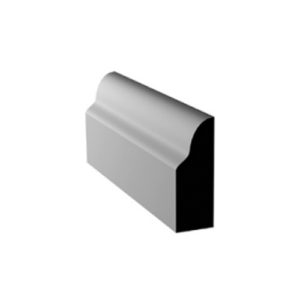

What Is Shoe Trim Moulding
Shoe trim moulding is a narrow finishing strip positioned along the bottom of a baseboard to cover the small clearance left between flooring and wall trim. This clearance allows the floor to expand naturally without pressure against the wall. By covering that space, the trim creates a defined edge where the wall and floor intersect.
Its compact profile keeps attention on the flooring itself while quietly completing the perimeter. When installed with proportion in mind, shoe trim moulding provides a clean border that frames the room without adding visual weight.
Why Choose Shoe Trim Moulding
Flooring materials require expansion space to perform correctly. Rather than leaving that joint exposed, shoe trim moulding conceals it while preserving the integrity of the installation.
In addition to gap coverage, shoe trim moulding helps correct minor unevenness along the wall line, resulting in a straighter, more intentional finish.
Key Advantages of Shoe Trim Moulding
- Perimeter Coverage — Hides expansion allowances along walls
- Defined Finish Line — Sharpens the transition between baseboard and floor surface
- Flexible Edge Contact — Conforms to slight subfloor variations
- Ready for Paint — MDF surfaces accept consistent paint coverage
- Low-Profile Detail — Complements larger trim elements without competing with them
Shoe Trim Moulding Profiles and Dimensions
The profile selected should reflect the style of the existing baseboards and the overall interior theme. Both contour and scale influence how the trim appears once in place.
Profile Styles
Rounded contours introduce subtle detailing suited to more traditional interiors.
Minimal or squared-edge profiles create a restrained outline that aligns with modern trim schemes.
Choosing a profile that mirrors nearby trim elements ensures visual continuity along the wall base.
Sizing Considerations
Compared to quarter round, shoe trim moulding is slimmer in both height and depth. Correct sizing depends on baseboard height and the width of the expansion gap. A well-proportioned selection prevents the lower wall detail from appearing oversized or undersized in relation to surrounding trim work.
Installation and Material Considerations for Shoe Trim Moulding
Accurate cutting is critical, particularly at inside and outside corners. The trim is generally fitted after the flooring has been secured, allowing it to sit neatly against both the baseboard and floor surface.
MDF construction offers consistent density and a smooth face suitable for painted applications. It is designed for interior dry spaces and should be kept away from prolonged moisture exposure. Proper fastening spacing and finishing techniques maintain alignment over time.
Shoe Trim Moulding Purchase Guide
Before purchasing, review the compatibility of the trim with your flooring thickness and baseboard design. Proportion plays a significant role in achieving a balanced look.
As a dedicated flooring store, Bella Flooring Plus assists customers in evaluating profile options and scale to ensure the selected trim integrates correctly with the completed floor.
Purchasing Shoe Trim Moulding from Bella Flooring Plus
- Assistance comparing available profile designs
- Guidance on sizing relative to baseboard height
- Paint-grade MDF options for uniform results
- General advice for accurate measurement and fitting
Applications of Shoe Trim Moulding
This finishing trim is installed wherever a finished floor meets vertical wall trim and a concealed expansion joint is required.
Residential Use
- Living areas
- Bedrooms
- Passageways
- Dining rooms
Commercial Use
- Workspaces
- Retail shops
- Entry and reception areas
- Light-use commercial settings
By enclosing the expansion space and refining the lower wall boundary, shoe trim moulding establishes a structured and deliberate finish along the room’s perimeter.