
NOSINGS
Showing all 10 results
-

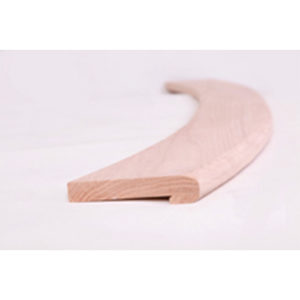
CURVE NOSING CUSTOM – RED OAK CURVED STAIR NOSING
-
Door Stop Oak Colonial 1 1/4″ x 5/16″
-
Maple Stair Nosing Round Edge Overlap 3½ Inch
-
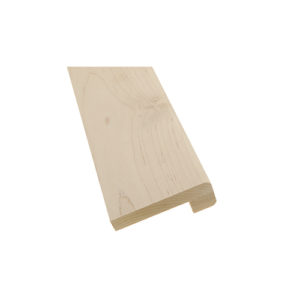
Maple Stair Nosing Square Edge 4½ Inch
-
Red Oak Stair Nosing Round Edge 3½ Inch
-
Stair Nosing Maple Round Edge 3 1/2″
-
Stair Nosing Maple Round Edge 4 1/2″
-
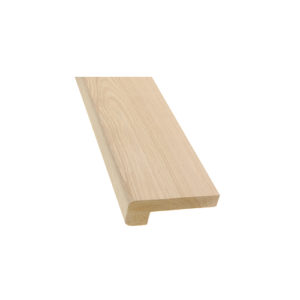
Stair Nosing Oak Round Edge 4 1/2″
-
Stair Nosing Oak Square Edge 4 1/2″
-
Stair Nosing Oak Square Edge Overlap 4 1/2″





What Is Stair Nosing
Stair nosing refers to the edge section installed on the front of each stair tread where most foot traffic occurs.
It is designed to protect the step edge from wear while improving grip and visibility during use.
In both residential and commercial settings, stair nosing plays a practical role in maintaining stair durability
and reducing the risk of slipping at the edge of each step. It is commonly used on wood, laminate, and concrete
stair systems depending on the application.
Why Choose Stair Nosing
The main reason for using nosing is functional protection combined with improved safety on staircases.
It helps reinforce the most exposed part of each step, which naturally experiences higher impact over time.
- Edge protection against chipping and wear
- Improved traction on step surfaces
- Clear visual definition of each stair edge
- Better long-term performance of stair finishes
In interior finishing, nosing also supports a more complete transition between flooring and stair structure
without changing the overall design intent of the space.
Nosing Types and Material Options
Selecting the right stair edge solution depends on usage, material compatibility, and design requirements.
Hardwood flooring installations, for example, often pair with matching or coordinated stair trims to
maintain consistency in finish.
- Metal profiles for high-traffic durability
- Wood-based options for matched interior finishes
- Vinyl or composite profiles for cost-effective applications
Each option supports different levels of impact resistance and aesthetic integration, depending on where
the stairs are installed and how frequently they are used.
Nosing Installation and Practical Considerations
Proper fitting is essential to ensure that stair nosing performs as intended over time. Accurate measurement and alignment help maintain a consistent edge line across all steps, especially in longer stair runs.
- Secure adhesion or fastening based on substrate type
- Alignment with tread depth for uniform step edges
- Compatibility with existing flooring thickness
- Resistance to movement under repeated foot traffic
When installed correctly, stair nosing contributes to both structural protection and safer stair usage without altering the stair layout.
Nosing Purchase Guide
Choosing the right solution depends on stair material, traffic level, and finish requirements. In many cases, guidance from our flooring store in Scarborough helps ensure the selected profile aligns with both functional needs and installation conditions.
- Stair surface type and material compatibility
- Indoor vs semi-outdoor usage conditions
- Desired level of visibility and contrast on edges
- Matching or contrasting design intent
This stage is typically where buyers narrow down profiles based on practical use rather than appearance alone.
Purchase Support at Bella Flooring Plus
Selection support at Bella Flooring Plus focuses on helping customers match the right profile type to their specific stair setup. This includes comparing material options, reviewing compatibility, and ensuring correct sizing before installation begins.
The goal is to ensure each project gets a suitable fit for both performance and finish expectations.
Applications of Stair Nosing
Stair nosing is used across a wide range of interior and commercial environments where stair safety and durability are priorities.
- Residential staircases in homes and apartments
- Commercial buildings with heavy foot traffic
- Retail and office stair access points
- Renovation projects involving existing stair upgrades
In interior finishing systems, stair nosing is often paired with coordinated trims to maintain consistency
across flooring transitions and stair structures.
Nosing: Final Overview
Properly selected stair edge protection improves both the safety and lifespan of stair systems without changing the core structure of the staircase. It remains a functional component rather than a decorative addition, supporting long-term durability in everyday use.