
CROWN MOULDING
Showing all 15 results
-

Crown Moulding Maple 3 1/4″ x 3/4″
-
Crown Moulding MDF 4 1/8″ x 5/8″ x 14′
-
Crown Moulding MDF 5 1/4″ x 5/8″ x 16′
-
Crown Moulding MDF 5″ x 1″ x 16′
-
Crown Moulding MDF 5″ x 5/8″ x 16′
-
Crown Moulding MDF 6 1/4″ x 3/4″ x 16′
-
Crown Moulding MDF 6 3/8″ x 1″ x 16′
-
Crown Moulding MDF 7 1/4″ x 3/4″ x 16′
-
Crown Moulding MDF 7 3/4″ x 3/4″ x 16′
-
Crown Moulding Oak 3 1/2″ x 3/4″
-
Crown Moulding Oak 3 1/2″ x 3/4″
-
Crown Moulding Oak 4 1/4″ x 3/4″
-
Crown Moulding Poplar 3 1/2″ x 3/4″
-
Crown Moulding Poplar 4 1/4″ x 3/4″
-
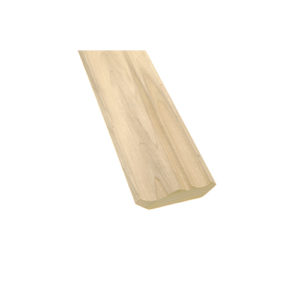
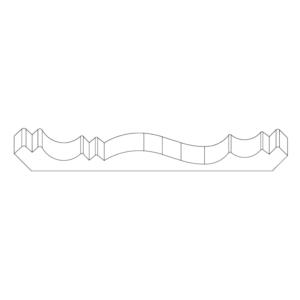
MDF CROWN MOLDING 6 9/16″ X 3/4 X 16′ | FACTORY-PRIMED INTERIOR PROFILE




What Is Crown Molding
Crown molding defines the transition between wall and ceiling, adding structure and proportion to a room. Bella Flooring Plus offers a range of crown molding in Scarborough that homeowners and contractors can rely on, available in MDF and solid wood profiles designed to suit both renovation projects and new builds.
When selected correctly, crown molding enhances ceiling lines, aligns with existing trim, and completes the overall finish of a space without overpowering it.
Why Choose Crown Molding
Crown molding remains a practical finishing element because it provides architectural detail while maintaining clean visual balance. It works alongside baseboards, casings, and flooring to create a cohesive interior.
Key Advantages
- Defined Transitions — Creates a clear visual break between walls and ceilings
- Proportion Control — Profile size can enhance perceived ceiling height
- Material Flexibility — Available in MDF, maple, oak, and poplar
- Consistent Milling — Uniform dimensions support accurate installation
- Style Compatibility — Suitable for traditional and contemporary interiors
Crown Molding Profiles and Wood Types
Choosing the right crown molding involves both material and scale.
Material Types
- MDF — Smooth, paint-grade option suited for uniform painted finishes
- Poplar — Solid wood commonly used for paint-grade applications
- Oak and Maple — Stain-grade hardwoods that highlight natural grain
Paint-grade and stain-grade selections serve different design goals. MDF and poplar are typically chosen for painted trim, while oak and maple are selected when visible wood grain is desired.
Profile Sizing
Smaller profiles (approximately 3″–4″) are commonly used in rooms with standard 8-foot ceilings. Larger profiles (5″ and above) are better suited to higher ceilings where additional depth maintains proper scale. Matching molding size to ceiling height prevents the trim from appearing disproportionate.
Crown Molding Installation and Environmental Factors
Accurate installation is essential for tight seams and clean corner joints. Crown molding must be measured and cut precisely to align with ceiling angles and wall variation.
Material selection also affects performance. Solid wood expands and contracts with humidity changes, while MDF remains more dimensionally consistent but is not recommended for areas with excessive moisture exposure. Selecting the appropriate material for the room’s environment supports long-term stability, particularly when choosing crown molding Scarborough properties may require in varying seasonal conditions.
Crown Molding Purchase Guide
Selecting crown molding involves evaluating ceiling height, intended finish (paint or stain), and compatibility with existing trim. As a dedicated flooring store, Bella Flooring Plus provides straightforward assistance to help customers compare materials, profile sizes, and finishing options before purchase.
Purchasing Crown Molding from Bella Flooring Plus
- Profile comparison assistance
- Material selection guidance
- Sizing recommendations based on ceiling height
- Installation considerations for accurate fit
Applications of Crown Molding
Crown molding is commonly used in spaces where defined ceiling lines enhance overall presentation.
Residential Use
- Living rooms
- Dining rooms
- Bedrooms
- Hallways
Commercial Use
- Offices
- Retail interiors
- Reception areas
- Boardrooms
Crown molding functions as a finishing element that brings proportion and structure to interior spaces, completing the visual connection between walls and ceilings.